

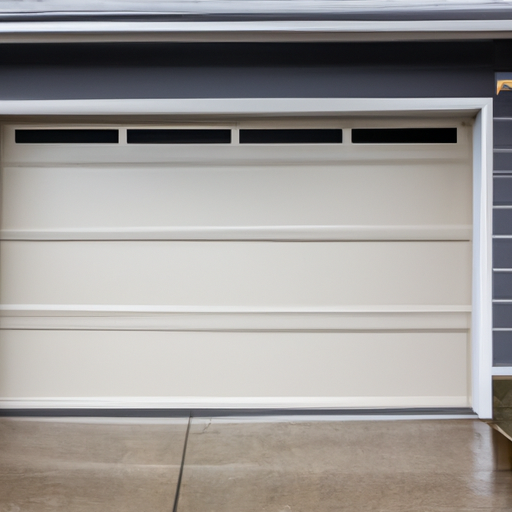
Bellevue, WA homeowners know a secure garage door keeps cars, tools, and family safe. This practical, step‑by‑step guide explains how to improve safety for garage door installation and reduces common risks during planning, on install day, and afterward. Use these local tips whether you plan to hire a pro or supervise the crew.
Why safety matters for garage door installation
Garage doors are heavy, spring‑loaded assemblies that store large amounts of energy. Mistakes during installation can cause serious injury, structural damage, or premature component failure. Understanding garage door installation basics will help you spot unsafe work and protect any warranties tied to proper fitting and testing.
Pre‑installation steps homeowners should take
Preparing the job site minimizes delays and hidden hazards. Take these actions in the days before installation:
- Clear driveways and the garage floor of vehicles, bikes, and loose items.
- Move tools and flammable materials away from the work area.
- Take photos of the old door and surrounding framing to document pre‑existing damage.
- Confirm electrical access for the opener and note any GFCI or dedicated circuit needs.
- Measure headroom, side room, and ceiling obstructions to verify the quoted hardware fits.
- Ask the contractor to follow the manufacturer’s garage door installation instructions and to show proof of insurance and licensing.
In Bellevue properties, check for damp framing or hidden rot near the header — moisture can hide wood decay that must be repaired before new hardware is mounted.
What to expect on installation day
Professional teams follow a safety workflow: remove the old door, support the opening, relieve spring tension, install tracks and springs, mount the door sections, wire the opener, and run safety tests. Ask your crew to explain each major step of the garage door installation so you know what they’re doing and why.
Tools, parts, and mandatory safety gear
Licensed installers bring specialized spring tools, torsion bar supports, calibrated wrenches, and test equipment. They should wear eye protection, use spring‑containment devices, and have a clear protocol for cable or spring failure during garage door installation. If technicians omit containment or improvise with non‑rated tools, pause the job and request safer methods.
DIY vs. hiring a pro for garage door installation
DIY can be attractive, but high‑risk tasks include spring removal/installation, cable tensioning, and precise track alignment. Many homeowners underestimate the force in torsion springs and end up calling an emergency service. For most residential service needs, hiring a licensed installer reduces liability and speeds completion.
If you want to compare options, review local service packages and scope on our services page to see what professionals include and why certain steps matter for safety and warranties.
Weather, permits, and warranty considerations in WA
Seattle‑area and Eastside weather affects materials and scheduling. Salt‑air and seasonal moisture can accelerate corrosion on exposed hardware; choosing galvanized, stainless, or corrosion‑resistant finishes is a practical preventative measure for Bellevue homes. This garage door installation WA how to improve safety guide recommends specifying appropriate hardware for local conditions.
Permits: Replacing the door slab alone sometimes needs a different permit than swapping the opener or altering structural framing. Check with the City of Bellevue building department if your project modifies the header, structural supports, or electrical wiring. If you have questions about local rules or permit filings, reach out to our team via the contact page before work begins.
Warranties: Verify manufacturer and labor warranties in writing. Warranties may require documented procedures and tests performed at handover.
Aftercare: testing and routine maintenance
Once the job is complete, your installer should demonstrate and document safety checks. After installation, perform a simple safety test weekly and schedule a professional tune‑up annually to prevent failures and extend service life.
Regular checks after garage door installation include the auto‑reverse test, photo‑eye alignment, cable condition, and spring balance. Keep a maintenance log with dates, technician notes, and part numbers for warranty support.
Cost, timeline, and what to budget
Expect most straight replacements to take half a day to a full day. Quotes should list removal, disposal, new materials, labor, and any permit fees. Expect quotes for garage door installation to include those line items so you can compare apples‑to‑apples.
Typical local price ranges (Bellevue area, approximate):
- Single‑car non‑insulated replacement: $800–$1,800
- Double‑car standard replacement: $1,500–$3,500
- Insulated, carriage, or custom upgrades: $2,500–$5,000+
- Opener replacement (belt drive, smart features): $400–$1,200 plus labor
Always get at least two written estimates, comparing hardware brands, spring type, insulation R‑value, and whether the contractor includes safety testing and cleanup.
Common safety mistakes to avoid
- Skipping spring containment or using improvised clamps.
- Failing to test the auto‑reverse and photo‑eyes before leaving the property.
- Ignoring worn cables, frayed strands, or rusted rollers.
- Not confirming the installer completed recommended torque and balance checks — always ask for documentation showing the professional completed the garage door installation per manufacturer specs.
Quick safety checklist
- Confirm installer documented the garage door installation steps and provided warranties.
- Test auto‑reverse within 24 hours of the garage door installation and keep a note of the result.
- Keep the invoice and technician contact information for future service related to the garage door installation.
Improving safety for garage door installation starts with planning, clear communication with your contractor, and checking post‑install tests. If you suspect structural rot, electrical issues, or unusual noises after the work, schedule a follow‑up inspection promptly. A safe installation protects your family, your vehicle, and the long‑term value of your home.
For more articles, troubleshooting tips, and local guidance, visit our blog for neighborhood updates and seasonal maintenance reminders: https://garagedoors-bellevue.com/blog.
Frequently Asked Questions — Bellevue, WA
Q: How does Bellevue weather affect door hardware?
A: Coastal and lake proximity increases moisture exposure. Choose galvanized or stainless fasteners and weather‑rated rollers, and ask your installer about corrosion‑resistant springs and sealed bearings.
Q: How long does a typical residential replacement take?
A: Most full door replacements take 4–8 hours for a single crew. Complex framing repairs, insulation work, or custom doors can extend the timeline to a full day or more.
Q: Do I need a permit in Bellevue, WA?
A: Minor repairs often don’t need permits, but replacing the header, changing structural framing, or rewiring circuits typically does. Check with the City of Bellevue building division or ask your contractor to handle filing.
Q: What should I budget for a safe, code‑compliant job?
A: Expect basic replacements from about $800, typical double‑car jobs $1,500–$3,500, and higher for insulated or custom doors. Verify that estimates include testing, spring containment, and cleanup.
Q: What warranties should I request?
A: Ask for written manufacturer and labor warranties. Confirm that warranty coverage requires documented installation and initial safety testing and retain the installation report for claims.
Helpful local resources in Bellevue, WA
- Garage Door Repair Seattle
- Garage Door Repair Bellevue
- Garage Door Repair Redmond
- Garage Door Repair Kirkland
- Garage Door Repair Mercer Island
- Garage Door Repair Edmonds
- Garage Door Repair Issaquah
- Garage Door Repair Tacoma
- Garage Door Repair Everett
- Garage Door Repair Bothell
- Garage Door Repair Sammamish
- Garage Door Repair Renton
- Garage Door Repair Lynnwood
- Garage Door Repair Woodinville
- Garage Door Repair University Place
- Garage Door Repair Gig Harbor
- Garage Door Repair Lakewood
- Garage Door Repair Puyallup
- Garage Door Repair Mukilteo
- Garage Door Repair Vancouver
- Garage Door Repair Kenmore
- Garage Door Repair Burien
- Garage Door Repair Auburn
- Garage Door Repair South Hill
- Garage Door Repair Yarrow Point
- Garage Door Repair Clyde Hill
- Garage Door Repair Port Townsend
- Garage Door Repair Duvall
- Garage Door Repair Snoqualmie

