

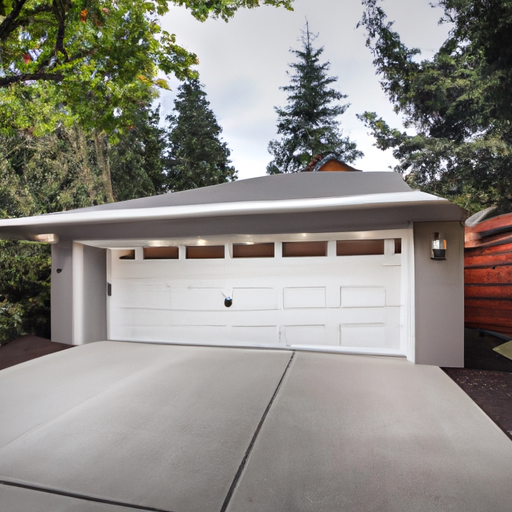
Intro: Safety First for Bellevue Homeowners
If you live in Bellevue, WA and are planning a garage door replacement, safety should be your top priority. This garage door replacement wa how to improve safety guide gives clear, practical steps to reduce risk during removal, installation, and testing of residential systems. Whether you’re tackling a simple panel swap or a full system upgrade, these tips help homeowners and contractors work together safely.
Plan and Prepare Before Work Begins
Good planning cuts the chance of accidents. Before any garage door replacement, gather tools, review manufacturer instructions, and lay out a step-by-step plan. Confirm the site is level, dry, and well lit — Bellevue’s variable weather can make floors slippery and metal parts cold to handle.
Pre-job checklist
- Turn off automatic openers and unplug power to the opener.
- Lock or block the door in the down position before removing parts.
- Inspect springs, cables, rollers and tracks for wear; note items to replace.
- Have appropriate PPE: gloves, safety glasses, and work boots.
- Confirm at least one extra adult is on hand — many replacements require a helper.
For many homeowners, hiring experienced technicians is the safest route. You can learn more about common projects and safety recommendations on our blog, which includes local case studies and seasonal tips.
Key Safety Steps During a Garage Door Replacement
During the actual replacement, focus on controlling stored energy and maintaining stability. The components that pose the highest hazard are torsion springs, extension springs, and the opener drive system.
Control stored energy
- Torsion springs: only technicians with the right tools and training should adjust or remove torsion springs. They store a large amount of energy and can cause severe injury if released unexpectedly.
- Extension springs: use containment cables and safety clamps. Never rely on a single fastener or an improvised hold.
Secure the door and track
- Clamp the door to the track when removing springs or cables so it cannot drop.
- Inspect and replace worn rollers and damaged track sections immediately to prevent misalignment after installation.
Electrical and opener safety
- Disconnect power and test that the opener does not activate during mechanical work.
- When installing a new opener, follow the torque and limit settings closely; improper settings can jam the door or cause sudden movement.
When to Call a Professional vs. DIY Tasks
Some tasks on a garage door replacement are homeowner-friendly, while others should always be handled by licensed pros. Small jobs like replacing weatherstripping, insulating panels, or swapping out worn rollers (with the door clamped and springs secured) can be DIY for a handy homeowner. Major work — torsion spring changes, cable re-tensioning, and opener motor replacement — is best left to technicians who carry insurance and the right tools.
If you decide to hire professionals, check credentials, read recent local reviews, and ask about warranties. For service options and certified work in Bellevue, WA, see our services page for common scopes, materials, and safety practices.
Post-installation Checks and Ongoing Safety
After a garage door replacement, run a careful commissioning checklist. Test balance, reversal systems, and remote/edge sensors. Document settings and keep manuals and receipts in a safe place.
Commissioning checklist
- Balance test: with the opener disconnected, manually lift the door halfway; it should stay put if balanced correctly.
- Auto-reverse: place a 2×4 or roll of cardboard under the door — it should reverse immediately on contact.
- Photo-eye sensors: ensure nothing obstructs the beams; align and clean lenses regularly.
- Final fastener check: verify all bolts and brackets are tight after 24–48 hours of operation.
Regular maintenance reduces the need for emergency repairs. Schedule annual inspections and lubrication, and keep a local contact ready. Our team is available if you need help — use our contact page to request a service visit or safety inspection.
Local Considerations for Bellevue, WA
Bellevue homeowners face specific conditions that affect garage door safety: wet winters, salty air in shoreline neighborhoods, and occasional cold snaps. These factors accelerate corrosion and wear, so choose corrosion-resistant hardware and maintain sensors and tracks more frequently than in drier climates.
- Use stainless or galvanized fasteners in coastal or humid areas.
- Insulate doors if temperature swings are extreme — insulated doors are heavier, so confirm spring ratings are upgraded accordingly during replacement.
- Confirm any required permits with Bellevue city codes for structural changes or electrical work. When in doubt, your installer should advise you on permit requirements.
Practical Budgeting & Timeline Expectations
Typical residential garage door replacement timelines range from a single day for a like-for-like door to two days if framing, opener upgrades, or insulation changes are involved. Costs vary by door type, materials, and hardware. Expect range-based pricing rather than fixed quotes until a site visit is completed.
For many homeowners, investing in higher-quality springs and professional installation reduces lifetime cost and improves safety. If you’re comparing quotes, ask for line-item pricing on springs, cables, tracks, and labor, and verify warranty terms.
Resources and Next Steps
Safety during garage door replacement is a combination of good planning, the right tools, and knowing when to call a pro. For more seasonal safety tips and detailed how-tos written for local homeowners, visit our blog and check local code guidance.
Frequently Asked Questions — Bellevue, WA
Q: Does Bellevue require permits for garage door replacement?
A: Minor like-for-like replacements often don’t need permits, but structural changes, new opener wiring, or altering header framing can. Check Bellevue city building codes or ask your installer to confirm permit needs before work begins.
Q: How long does a typical residential garage door replacement take?
A: For a straightforward swap with the same opening size, expect 4–8 hours on-site. If the job includes framing repairs, insulation, or an opener upgrade, plan for a full day or two. Weather or material lead times can add days.
Q: What price range should Bellevue homeowners expect?
A: Prices vary widely: basic steel doors with standard hardware are lower cost, while insulated sectional doors and enhanced springs raise material and labor. Always request itemized quotes for springs, cables, tracks, and labor to compare responsibly.
Q: Do new garage doors come with warranties in WA?
A: Most manufacturers offer warranties on panels and hardware; installers may provide labor warranties. Ask for warranty documents in writing and confirm whether corrosion or local weather-related wear is covered.
Q: How often should I schedule maintenance after replacement?
A: Annual inspections are recommended; Bellevue’s climate may require sensor cleaning and lubrication twice a year. Regular checks catch loose bolts, worn rollers, and spring fatigue before failures occur.
Helpful local resources in Bellevue, WA
- Garage Door Repair Seattle
- Garage Door Repair Bellevue
- Garage Door Repair Redmond
- Garage Door Repair Kirkland
- Garage Door Repair Mercer Island
- Garage Door Repair Edmonds
- Garage Door Repair Issaquah
- Garage Door Repair Tacoma
- Garage Door Repair Everett
- Garage Door Repair Bothell
- Garage Door Repair Sammamish
- Garage Door Repair Renton
- Garage Door Repair Lynnwood
- Garage Door Repair Woodinville
- Garage Door Repair University Place
- Garage Door Repair Gig Harbor
- Garage Door Repair Lakewood
- Garage Door Repair Puyallup
- Garage Door Repair Mukilteo
- Garage Door Repair Vancouver
- Garage Door Repair Kenmore
- Garage Door Repair Burien
- Garage Door Repair Auburn
- Garage Door Repair South Hill
- Garage Door Repair Yarrow Point
- Garage Door Repair Clyde Hill
- Garage Door Repair Port Townsend
- Garage Door Repair Duvall
- Garage Door Repair Snoqualmie

