

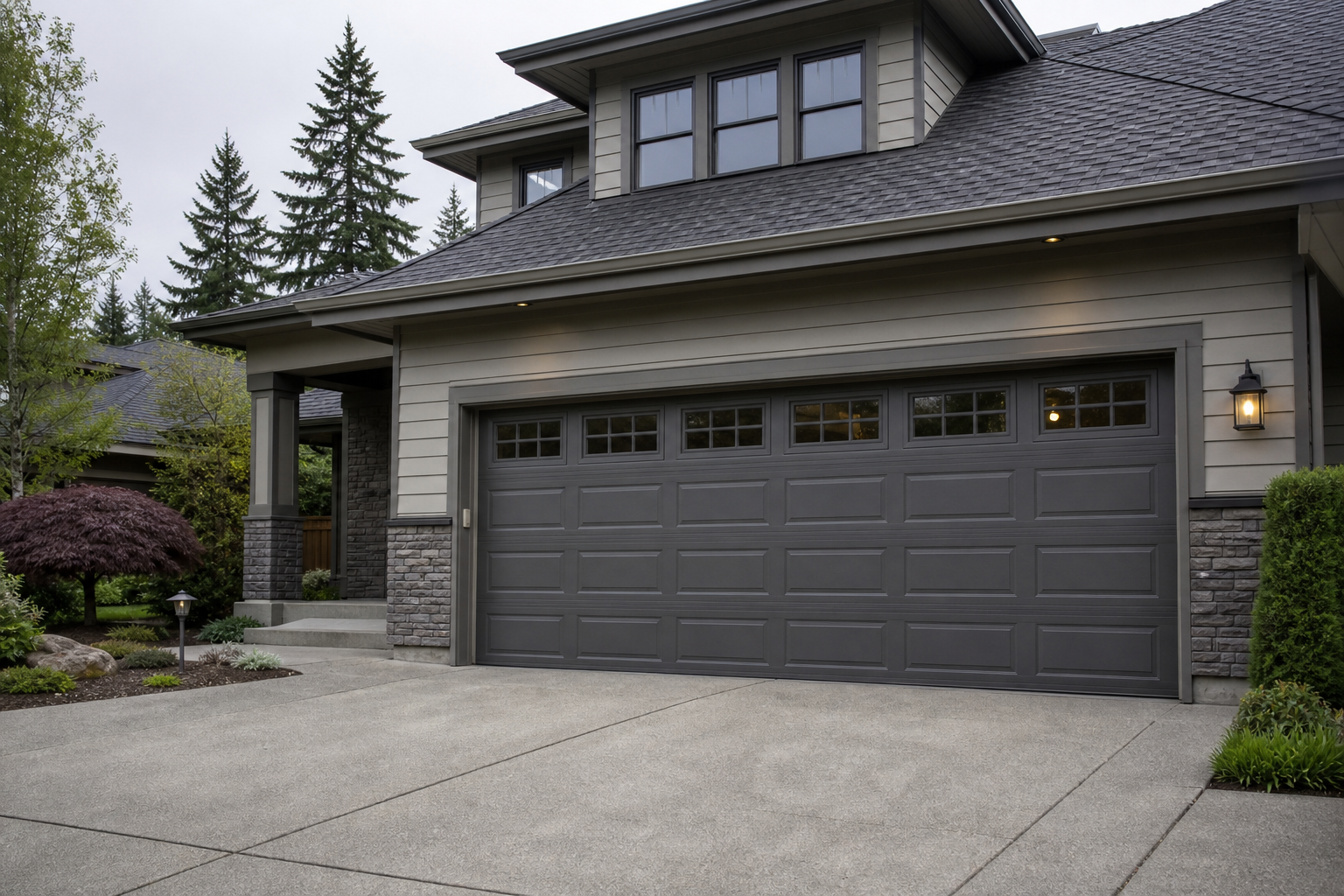
If your garage door is waking up the house in Bellevue, WA, you are not alone. Many homeowners notice more noise after a season of rain, temperature swings, or normal wear. The good news is that a quiet garage door usually starts with a few targeted garage door repair steps, not a full replacement.
Noise can come from loose hardware, worn rollers, dry hinges, out-of-balance springs, or panels that vibrate against each other. With the right garage door repair plan, you can reduce rattling, grinding, and the sharp clank that travels through nearby rooms.
This guide covers practical garage door repair wa noise reduction solutions guide tips for homeowners who want a smoother, quieter setup without wasting money on the wrong fix.
What Makes Garage Doors Loud?
Before choosing a repair, it helps to find the source of the sound. A noisy door is often trying to tell you something specific.
Common noise sources
- Loose bolts and brackets: These create shaking and metallic rattle.
- Worn rollers: Old nylon or steel rollers can grind or screech.
- Dry hinges and springs: Lack of lubrication leads to friction noise.
- Off-track movement: A door that binds can pop and scrape.
- Unbalanced door sections: Extra strain makes the opener work louder.
In Bellevue homes, moisture can speed up corrosion and make moving parts noisier over time. That is why regular garage door repair and maintenance matter as much as the opener itself.
Noise Reduction Solutions That Actually Help
The best results usually come from combining a few small repairs. Here are the most effective garage door repair options for cutting sound at the source.
1. Tighten and secure hardware
Garage doors vibrate every time they open and close. Over time, fasteners loosen. A technician can check hinges, track brackets, roller plates, and opener mounts. Tightening these parts often removes a surprising amount of rattle.
2. Replace noisy rollers
If your door still has metal rollers, upgrading to nylon rollers can lower noise right away. Even if the rollers are not broken, worn bearings can create a rough sound. This is one of the most common garage door repair improvements for quiet operation.
3. Lubricate the right moving parts
Not every product helps. A proper garage door lubricant on hinges, rollers, and springs can reduce squeaks and friction. Avoid using thick grease that attracts dirt. For many homeowners, this simple step is part of a smart residential service plan.
4. Check spring tension and balance
A door that is out of balance can strain the opener and make the whole system louder. Professional garage door repair can restore balance and reduce the jerkiness that causes noise.
5. Add vibration isolation
If the opener or track mounts transfer sound into the framing, vibration pads or upgraded brackets can help. This is especially useful in attached garages where sound travels into living spaces.
6. Replace worn weather seal and panel hardware
Loose bottom seals and aging panel joints can clap in the wind or during travel. Fresh seals and secure hardware help the door move with less bounce and less noise.
For homeowners comparing repair choices, our garage door services page is a good place to see which solutions fit common noise issues.
When Noise Means You Need a Professional
Some garage door noises are harmless, but others point to a problem that can get worse fast. Call for garage door repair if you notice any of these signs:
- The door jerks, shudders, or moves unevenly.
- The opener strains or makes a grinding sound.
- Springs look stretched, rusty, or damaged.
- The door is louder after rain or cold weather.
- You hear scraping, popping, or banging on every cycle.
These are not just comfort issues. A noisy garage door may also be a safety issue if parts are wearing out unevenly or the system is losing balance.
If you want a quick diagnosis, you can contact our Bellevue team to ask about the sound you are hearing and the likely repair steps.
Why Bellevue Weather Can Make Garage Doors Noisier
Bellevue’s damp seasons can affect garage doors in a few ways. Moisture can lead to surface rust, swollen wood components, and sticky movement in tracks or rollers. Cold snaps can also make some materials contract and become louder.
For that reason, local garage door repair in Bellevue often includes more than one fix:
- Rust cleanup and part replacement
- Lubrication suited for wet weather
- Roller upgrades for smoother travel
- Hardware tightening after seasonal expansion and contraction
Routine care is a smart home improvement move because it helps your garage doors stay quieter for longer. If you want tips on what local homeowners ask about most, check our garage door repair blog for practical updates and maintenance ideas.
What to Expect From a Noise-Reduction Repair Visit
A solid garage door repair visit should start with a full inspection. The technician should listen to the door, test balance, look for worn parts, and identify where vibration is coming from.
Typical noise-reduction work may include:
- Tightening tracks, hinges, and brackets
- Lubricating moving parts correctly
- Replacing rollers or worn hardware
- Adjusting spring balance
- Checking opener mounting and chain or belt noise
Most noise-focused repairs can be completed in one visit if the problem is standard wear. More complex issues, such as broken springs or bent tracks, may need replacement parts first.
Homeowners often ask about cost. Prices vary based on parts and labor, but a basic garage door repair is usually far less than replacing the entire system. The best approach is to fix the noise source early before it spreads wear to other parts.
Simple Ways to Keep the Door Quiet After Repairs
Once the repair is done, a few habits can help the door stay quiet:
- Test and listen to the door once a month.
- Keep tracks free of dirt and debris.
- Lubricate moving parts on a regular schedule.
- Watch for changes in speed, balance, or vibration.
- Schedule service when the noise returns instead of waiting.
That kind of routine care helps extend the life of garage doors and reduces repeat repair needs. It is a simple part of residential service that pays off over time.
FAQ: Bellevue Garage Door Noise Reduction
Why is my garage door louder in Bellevue during rainy months?
Moisture can increase friction, encourage rust, and affect seals and rollers. In Bellevue, that often means a louder door until the worn parts are cleaned, lubricated, or replaced.
How long does a noise-reduction garage door repair take?
Many noise-related repairs take about one to two hours, especially if the fix involves tightening hardware, lubrication, or roller replacement. Bigger issues can take longer if parts need to be ordered.
Is it worth repairing a noisy garage door instead of replacing it?
Yes, if the door structure is still in good shape. Many noisy doors only need targeted garage door repair, such as new rollers, balanced springs, or secure hardware.
Will a quieter garage door improve my home value?
It can help with daily comfort and is a nice home improvement upgrade for attached garages. Buyers often notice when garage doors run smoothly and quietly.
Do noisy garage doors need a permit in Bellevue?
Routine garage door repair usually does not require a permit. Major structural changes or full replacements can be different, so it is smart to confirm before larger projects.
What should I do if the door suddenly starts grinding loudly?
Stop using it if the sound is severe, uneven, or paired with jerking movement. A loud grinding noise can mean a worn roller, track issue, or opener problem that needs prompt garage door repair.
FAQ
Why is my garage door louder in Bellevue during rainy months?
Moisture can increase friction, encourage rust, and affect seals and rollers. In Bellevue, that often means a louder door until the worn parts are cleaned, lubricated, or replaced.
How long does a noise-reduction garage door repair take?
Many noise-related repairs take about one to two hours, especially if the fix involves tightening hardware, lubrication, or roller replacement. Bigger issues can take longer if parts need to be ordered.
Is it worth repairing a noisy garage door instead of replacing it?
Yes, if the door structure is still in good shape. Many noisy doors only need targeted garage door repair, such as new rollers, balanced springs, or secure hardware.
Will a quieter garage door improve my home value?
It can help with daily comfort and is a nice home improvement upgrade for attached garages. Buyers often notice when garage doors run smoothly and quietly.
Do noisy garage doors need a permit in Bellevue?
Routine garage door repair usually does not require a permit. Major structural changes or full replacements can be different, so it is smart to confirm before larger projects.
What should I do if the door suddenly starts grinding loudly?
Stop using it if the sound is severe, uneven, or paired with jerking movement. A loud grinding noise can mean a worn roller, track issue, or opener problem that needs prompt garage door repair.
Helpful local resources in Bellevue, WA
- Garage Door Repair Seattle
- Garage Door Repair Bellevue
- Garage Door Repair Redmond
- Garage Door Repair Kirkland
- Garage Door Repair Mercer Island
- Garage Door Repair Edmonds
- Garage Door Repair Issaquah
- Garage Door Repair Tacoma
- Garage Door Repair Everett
- Garage Door Repair Bothell
- Garage Door Repair Sammamish
- Garage Door Repair Renton
- Garage Door Repair Lynnwood
- Garage Door Repair Woodinville
- Garage Door Repair University Place
- Garage Door Repair Gig Harbor
- Garage Door Repair Lakewood
- Garage Door Repair Puyallup
- Garage Door Repair Mukilteo
- Garage Door Repair Vancouver
- Garage Door Repair Kenmore
- Garage Door Repair Burien
- Garage Door Repair Auburn
- Garage Door Repair South Hill
- Garage Door Repair Yarrow Point
- Garage Door Repair Clyde Hill
- Garage Door Repair Port Townsend
- Garage Door Repair Duvall
- Garage Door Repair Snoqualmie

