

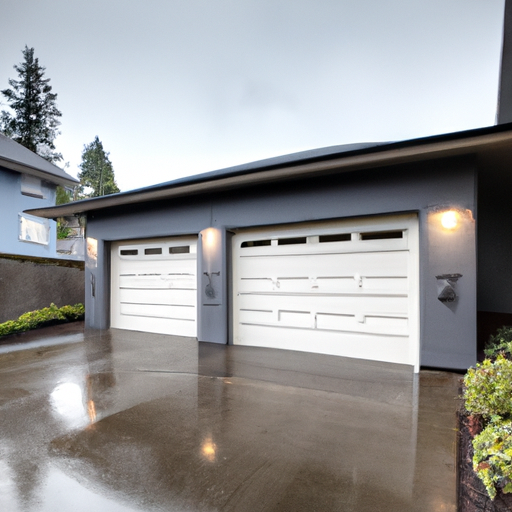
Why noise matters for Bellevue homeowners
If you live in Bellevue, WA and use smart garage systems, you’ve likely noticed the difference between a quiet opener and one that sounds like a mechanical drum. Noise travels into living spaces, wakes family members, and can make a simple commute start on the wrong note. This guide focuses on practical noise reduction solutions for smart garage systems that fit local homes and weather conditions.
Common noise sources in smart garage systems
Understanding where sound originates is the first step to fixing it. Typical culprits include:
- Drive mechanisms: belt, chain, or screw openers generate different sound profiles.
- Hardware vibrations: loose brackets, worn rollers, or noisy hinges create rattles.
- Door construction: thin panels and worn weather seals transmit more sound into the house.
- Mounting points: garage door openers attached to rafters can transfer vibration into the structure.
Practical noise reduction solutions
These solutions are ranked by cost and impact so you can choose what fits your needs.
1. Upgrade components on smart garage systems
Replacing noisy parts is often the fastest way to reduce sound.
- Switch to a belt-drive opener: Belt drives are typically quieter than chain drives and are a common upgrade for smart garage systems.
- Install nylon or polyurethane rollers: These absorb vibration better than metal rollers and can cut rattles immediately.
- Use rubber isolation mounts: Mounting the opener on vibration-damping brackets reduces structure-borne noise into rafters and ceilings.
2. Improve the door and seals
Door construction and seals matter for long-term acoustic performance.
- Insulated door panels: A properly insulated garage door reduces reverberation and blocks outside sound.
- Replace bottom and side seals: Worn seals allow sound and drafts to pass between the door and frame.
- Add perimeter weatherstripping: This reduces slapping noises when wind causes the door to vibrate.
3. Tune and lubricate moving parts
Routine maintenance improves performance and cuts noise for nearly all smart garage systems.
- Tighten hardware: Check brackets, bolts, and hinge pins. Loose parts cause rattles under load.
- Lubricate rollers, hinges, and the opener rail: Use a silicone-based lubricant recommended by manufacturers.
- Balance the door: An imbalanced door strains the opener and generates excess noise; test by disconnecting the opener and moving the door manually.
4. Acoustic additions in the garage
If quiet is paramount, add materials that absorb or block sound.
- Acoustic panels on walls or ceiling: Fiberglass or foam panels reduce reverberation inside the garage.
- Mass-loaded vinyl (MLV): Applied behind drywall, MLV blocks sound transmission into adjacent rooms.
- Door-mounted sound strips: Adhesive-backed strips on the door face can damp high-frequency noise.
Smart features that help reduce perceived noise
Smart garage systems offer features that make noise less intrusive even if not entirely eliminated.
- Soft-start and soft-stop programming: These settings reduce sudden acceleration and deceleration, cutting mechanical impact noise.
- Scheduling and geofencing: Delay noisy operations until commuters are ready, or open/close remotely to avoid waking household members.
- Diagnostics and alerts: Many systems report wear or abnormal vibration so you can service components before noise worsens.
When to call a professional
Some fixes are straightforward DIY tasks; others require a pro. Call a qualified technician if you notice:
- Loud bangs during operation, which may indicate spring or cable failure.
- Persistent vibration after tightening and lubrication.
- Electrical or smart integration problems that need diagnostic tools.
For local help tailored to Bellevue home construction and climate, see our services page for details on residential service options and upgrades. Our blog also has step-by-step maintenance guides for DIY checks: read more.
Cost, timelines and local considerations
Costs vary depending on the solution and whether you choose DIY or professional installation.
- Basic maintenance (tighten, lubricate, replace rollers): $75–$250; usually same-day.
- Upgrade to belt-drive opener or insulated door panels: $600–$2,500 depending on model and installation complexity.
- Acoustic modifications (MLV, panels): $300–$1,200 with variable timelines based on scope.
Bellevue winters are damp and can accelerate wear on seals and rollers. Plan annual inspections, especially after heavy rains or temperature swings. If you prefer to schedule an assessment, contact our team directly through the contact page.
Choosing the right approach for your home improvement goals
Match solutions to priorities:
- If quiet is your top goal and budget allows, replace an old chain-drive opener with a high-end belt-drive smart garage systems package and add insulated panels.
- If budget is limited, start with rollers, seals, and isolation mounts to get significant noise reduction at low cost.
- For renters or temporary fixes, perimeter weatherstripping and foam door strips can reduce noise without permanent changes.
Warranty, permits and local compliance
Most replacement openers and doors include manufacturer warranties; installers may offer additional workmanship guarantees. Permits are rarely required for opener swaps, but check with Bellevue building services if you alter structural supports or change the door size. Keep receipts and warranty paperwork in case a replacement or service call is needed later.
Next steps
Start with a basic inspection: listen for specific sounds, note when they happen, and take short videos if useful. This information speeds troubleshooting whether you DIY or call a pro. For hands-on help matched to local homes and weather, our technicians can evaluate your setup and recommend the best noise reduction plan.
Long-tail resource: This smart garage systems wa noise reduction solutions guide is meant to help Bellevue homeowners prioritize fixes that provide the biggest quieting effect for the least disruption.
Frequently Asked Questions
Q: How long does a noise-reduction upgrade take in Bellevue?
A: Simple upgrades like new rollers, seals, and lubrication often take 1–2 hours. Replacing an opener or insulated door panel can take 3–6 hours, depending on access and whether frames or tracks need adjustment.
Q: Will a belt-drive opener eliminate all noise?
A: A belt-drive opener significantly reduces mechanical noise compared with chain drives, but it won’t remove all sound. Combining a belt drive with insulated panels and isolation mounts gives the best result.
Q: Are there additional permits or inspections required for garage door work in Bellevue, WA?
A: Most repairs and opener swaps don’t require permits. Structural changes or full door replacements that alter openings may need a permit—check Bellevue building services or ask your installer for guidance.
Q: What price range should I expect for professional noise control on a residential garage?
A: Expect $75–$250 for maintenance and minor fixes; $600–$2,500 for major upgrades like a new belt-drive opener or insulated door panels. Exact pricing depends on door size and hardware selected.
Q: Do manufacturers void warranties if I add acoustic panels or MLV?
A: Adding non-structural acoustic materials inside the garage usually won’t void door or opener warranties, but avoid fastening materials to moving parts. Check manufacturer terms or consult a professional installer to be sure.
Helpful local resources in Bellevue, WA
- Garage Door Repair Seattle
- Garage Door Repair Bellevue
- Garage Door Repair Redmond
- Garage Door Repair Kirkland
- Garage Door Repair Mercer Island
- Garage Door Repair Edmonds
- Garage Door Repair Issaquah
- Garage Door Repair Tacoma
- Garage Door Repair Everett
- Garage Door Repair Bothell
- Garage Door Repair Sammamish
- Garage Door Repair Renton
- Garage Door Repair Lynnwood
- Garage Door Repair Woodinville
- Garage Door Repair University Place
- Garage Door Repair Gig Harbor
- Garage Door Repair Lakewood
- Garage Door Repair Puyallup
- Garage Door Repair Mukilteo
- Garage Door Repair Vancouver
- Garage Door Repair Kenmore
- Garage Door Repair Burien
- Garage Door Repair Auburn
- Garage Door Repair South Hill
- Garage Door Repair Yarrow Point
- Garage Door Repair Clyde Hill
- Garage Door Repair Port Townsend
- Garage Door Repair Duvall
- Garage Door Repair Snoqualmie

