

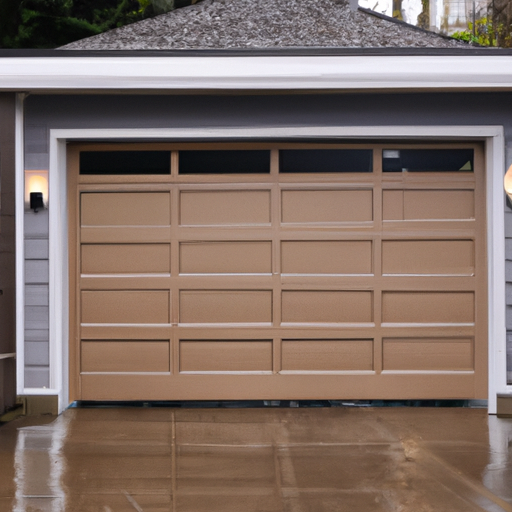
Seasonal checklist for garage door replacement in Bellevue, WA
Bellevue, WA homeowners know our weather can push a garage door from neatly functional to troublesome fast. Planning a garage door replacement ahead of seasonal shifts keeps your home secure and avoids emergency calls. This guide focuses on practical, local steps you can take before winter rains, spring floods, summer heat, and fall storms.
Why seasonal attention matters
A planned garage door replacement protects insulation, reduces drafts, and prevents water intrusion. In Bellevue’s rainy months, a poorly fitted door can lead to rot, rust, and damaged contents inside attached garages. If you’re considering garage door replacement, treat it as part of ongoing home improvement rather than a one-off expense.
Pre-replacement evaluation: what to check
Before you schedule a full garage door replacement, run a short checklist. These quick checks help determine whether a repair will do or if replacement is the better investment:
- Visual inspection of panels for rust, dents, or warping.
- Test balance by disconnecting the opener and lifting the door halfway—if it sags, torsion springs or tracks could be failing.
- Listen for grinding or squeaking; noisy operation often signals worn hardware that may be best resolved during a replacement project.
- Check weatherstripping and bottom seals for gaps that can admit water during Bellevue storms.
If multiple items fail or the door is over 12–15 years old, a garage door replacement is usually the most cost-effective choice long-term.
Seasonal tips by quarter
Late summer and early fall: prepare for rain
Late summer is the ideal time to plan a garage door replacement because contractors have better availability before the rain-heavy season. Typical tasks:
- Replace worn bottom seals and thresholds to stop groundwater from entering during heavy downpours.
- Upgrade to corrosion-resistant hardware if your current parts show rust.
- Consider insulated panels to reduce condensation in cooler months.
Winter: avoid emergency replacements
Cold weather stiffens seals and can stress springs. If your door struggles to open when cold, schedule a garage door replacement or spring service early—delays are common mid-winter. A planned replacement in the fall prevents emergency service calls during storms.
Spring: check for storm damage
After seasonal storms, inspect door alignment and seals. If panels are cracked or track alignment is compromised, a garage door replacement or panel swap may be necessary to maintain security and curb appeal.
Summer: upgrade and inspect
Warm months are good for cosmetic upgrades—paint, new hardware, or a different panel style. If you’re investing in a higher R-value door as part of home improvement plans, plan a garage door replacement for mid-summer for best scheduling and drying conditions.
Choosing materials and features for Bellevue homes
Material choice affects maintenance needs in Bellevue’s climate. Steel is durable but can rust without proper coatings. Composite and fiberglass resist moisture and are low-maintenance, while wood offers classic looks but needs annual sealing. When planning garage door replacement, weigh appearance, insulation value, and long-term maintenance against initial cost.
Recommended features
- Insulation (R-value) for attached garages to protect HVAC efficiency.
- Weather-stripping and certified bottom seals rated for wet climates.
- Stainless-steel or galvanized hardware to resist coastal and inland moisture.
For deeper reading about product choices and seasonal care, visit our blog for local examples and photos demonstrating material differences.
Timeline and planning for replacement projects
A typical residential garage door replacement in Bellevue moves through three phases: selection, scheduling, and installation. Expect a planning window of 1–3 weeks for product selection and measurements, and an installation window of 1 day for a standard single or double door when parts are in stock. During busy seasons allow 2–4 weeks for scheduling.
- Week 1: site measurement and product selection.
- Week 2–3: order and delivery of the door and parts (timing varies by model).
- Installation day: remove old door, fit new tracks, install panels, test operation, and finish weatherproofing.
If you want a firm quote or to reserve a slot within a specific season, contact us early. A local team can assess your property and advise on permit needs and HOA restrictions.
Budgeting: typical ranges and cost drivers
Costs for garage door replacement vary by size, material, insulation level, and additional features like windows or smart openers. For Bellevue residential service, expect a broad range:
- Standard single steel door (basic): lower range—material + labor.
- Insulated or custom wood/composite doors: higher range—material and finishes increase costs.
- Upgrades (smart openers, premium hardware): add to the project budget.
Local climate considerations, such as rust-resistant hardware, will affect price. Always get an itemized estimate before committing to a full garage door replacement so you can align options with your home improvement budget.
Permits, warranties, and safety
Most Bellevue garage door replacement projects for standard residential garage doors do not require a permit, but larger structural changes may. If you’re altering header framing or the opening, check Bellevue city requirements. Keep manufacturers’ warranties and installation documentation—many warranty terms require professional installation, which protects your investment.
Safety note: torsion springs and high-tension cables are dangerous to adjust. For spring replacement or tensioning, always use a licensed residential service provider experienced with garage door replacement.
Seasonal maintenance checklist after replacement
- Quarterly: inspect tracks, rollers, and seals; lubricate moving parts with a non-gumming lubricant.
- Annually: test balance and safety sensors; check alignment and tighten hardware.
- After storms: clear debris from tracks and check bottom seals for gaps.
Following a simple seasonal maintenance rhythm extends the life of your replacement door and keeps repair needs low.
Local service and next steps
For Bellevue homeowners planning a repair or garage door replacement, choose a contractor familiar with local weather patterns, common installation details in neighborhood styles, and Bellevue permit guidance. Learn about our full offerings on our services page and schedule an inspection during the calm late-summer window to avoid winter backlogs.
Small investments—upgraded seals, corrosion-resistant hardware, proper insulation—make a big difference for Bellevue homes. Treat garage door replacement as preventative home improvement to protect structure, energy efficiency, and curb appeal across the seasons.
Frequently Asked Questions
Q: How does Bellevue weather affect timing for garage door replacement?
A: Schedule replacement in late summer or early fall before the heavy rains. That timing reduces the chance of delays and ensures seals and tracks are installed in dry conditions.
Q: What timeline should I expect for a standard garage door replacement in Bellevue?
A: For a standard single- or double-door replacement expect 1–3 weeks for ordering and scheduling, and a single-day installation once parts arrive. Custom doors can take longer depending on manufacturing lead times.
Q: Are permits required for garage door replacement in Bellevue?
A: Simple like-for-like replacements typically do not need a city permit. If you change the opening size or structural framing, check Bellevue building department rules or ask your contractor to verify permit requirements.
Q: What price range should Bellevue homeowners expect?
A: Costs vary by material and features. Basic steel doors are at the lower end while insulated, composite, or custom wood doors cost more. Ask for an itemized local estimate to compare options and seasonal discounts.
Q: What warranty and maintenance should I expect after replacement?
A: Most manufacturers offer parts and limited warranties; professional installation often protects warranty claims. Regular seasonal maintenance—sensor tests, seal checks, and lubrication—keeps warranties valid and extends life.
Helpful local resources in Bellevue, WA
- Garage Door Repair Seattle
- Garage Door Repair Bellevue
- Garage Door Repair Redmond
- Garage Door Repair Kirkland
- Garage Door Repair Mercer Island
- Garage Door Repair Edmonds
- Garage Door Repair Issaquah
- Garage Door Repair Tacoma
- Garage Door Repair Everett
- Garage Door Repair Bothell
- Garage Door Repair Sammamish
- Garage Door Repair Renton
- Garage Door Repair Lynnwood
- Garage Door Repair Woodinville
- Garage Door Repair University Place
- Garage Door Repair Gig Harbor
- Garage Door Repair Lakewood
- Garage Door Repair Puyallup
- Garage Door Repair Mukilteo
- Garage Door Repair Vancouver
- Garage Door Repair Kenmore
- Garage Door Repair Burien
- Garage Door Repair Auburn
- Garage Door Repair South Hill
- Garage Door Repair Yarrow Point
- Garage Door Repair Clyde Hill
- Garage Door Repair Port Townsend
- Garage Door Repair Duvall
- Garage Door Repair Snoqualmie

